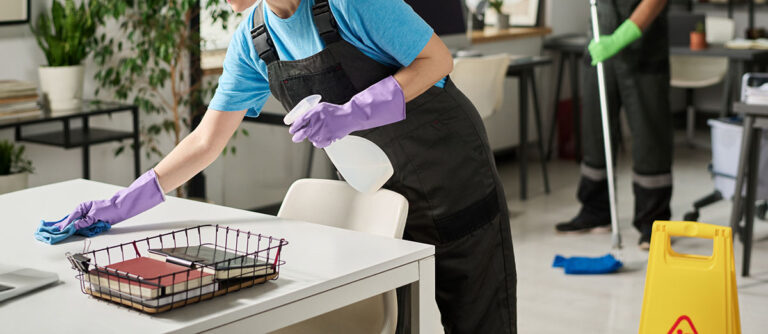
Most businesses need a recurring office cleaning schedule rather than occasional deep cleaning, but the right frequency depends on how many employees use the space, how often visitors arrive, restroom traffic, shared surfaces, and the type of work performed. A smaller, low-traffic office may need professional service a few times per week, while a busy workplace with frequent visitors, multiple restrooms, break rooms, and shared work areas may need cleaning every weekday or more frequent attention to high-use areas.
Low-traffic offices: Consider scheduled cleaning several times per week.
Typical professional offices: A weekday or multi-day weekly schedule may provide better consistency.
High-traffic workplaces: Daily service and additional restroom or touchpoint attention may be appropriate.
All offices: Restrooms, break rooms, entrances, and shared surfaces usually need more frequent cleaning than private offices.
Best approach: Review traffic patterns and cleaning priorities with a local commercial cleaning provider.
Why Office Cleaning Frequency Matters
A clean office supports more than appearance. It helps create a professional environment for employees, clients, vendors, and other visitors. When dust, waste, fingerprints, and restroom buildup are allowed to accumulate, the workplace can quickly feel neglected, even when the office was cleaned recently.
Consistent office cleaning services help businesses maintain a predictable standard throughout the week. Instead of waiting until the office looks noticeably dirty, a recurring schedule addresses routine needs before they become more difficult to manage.
There is no single cleaning frequency that works for every business. A small office with limited visitor traffic will have different needs from a large workplace with open areas, shared equipment, multiple restrooms, and employees working on-site every day. The goal is to match service frequency to the way your office is actually used.
Factors That Determine How Often an Office Should Be Cleaned
Number of Employees
The number of employees using an office is one of the clearest factors in determining cleaning frequency. More employees generally means more foot traffic, more waste, more restroom use, and more contact with shared surfaces.
A small office with a few employees may be able to maintain a professional appearance with service on selected days each week. A larger office may need cleaning every weekday to keep common areas, kitchens, restrooms, and floors in good condition.
Employee schedules also matter. If most employees are in the office only occasionally, cleaning may be planned around occupancy. If the workplace is occupied throughout the week, a more consistent schedule can help prevent buildup between service visits.
Visitor and Customer Traffic
Offices that regularly welcome clients, applicants, tenants, contractors, or vendors often need a higher cleaning frequency than offices with limited outside traffic. Entrances, reception areas, conference rooms, and waiting areas create the first impression of a business.
Even when employees keep their work areas organized, visitors can increase the need for attention in public-facing spaces. Glass entry doors may show fingerprints, floors may collect more dirt, and conference rooms may require resetting after meetings. Businesses with frequent appointments may benefit from daily cleaning or targeted service in these areas.
Restroom Use and Number of Restrooms
Restrooms require special consideration because they are high-use areas and an important part of workplace hygiene. The number of employees, visitor traffic, restroom size, and available fixtures all influence how often these spaces should be serviced.
At a minimum, regular cleaning should address toilets, sinks, counters, mirrors, floors, touchpoints, and waste. Restrooms may also need restocking and attention to odors or visible buildup. A workplace with several restrooms or heavy daily use may require daily service, while a low-traffic office may follow a less frequent overall schedule with additional attention when needed.
For a closer look at restroom priorities, read Restroom Cleaning Standards Every Business Should Take Seriously.
Shared Spaces and High-Touch Surfaces
Shared spaces often need more frequent cleaning than individual offices. Break rooms, kitchens, conference rooms, copy areas, reception desks, and shared workstations can collect crumbs, spills, fingerprints, and general debris throughout the day.
High-touch surfaces may include door handles, light switches, elevator buttons, faucet handles, appliance handles, and shared equipment. The appropriate cleaning routine depends on how frequently these areas are used and the expectations of the business. A cleaning plan should identify which surfaces need routine attention and which can be handled on a less frequent rotation.
If shared areas are consistently untidy before the next scheduled visit, that may be a sign that the service frequency or task list needs to be adjusted.
Type of Work Performed
The nature of your business affects cleaning needs. An administrative office may have different requirements from a medical-related administrative setting, a property management office, a warehouse office, or a customer-facing professional workplace.
Businesses should consider whether employees eat at their desks, handle materials that create dust or residue, use specialized equipment, or spend most of the day in shared areas. The more a work environment produces debris or requires frequent contact with surfaces, the more important a consistent cleaning plan becomes.
Common Office Cleaning Frequencies
Several Times Per Week
Service several times per week may work for a smaller office with limited public traffic, a modest number of employees, and relatively low use of restrooms and shared spaces. This schedule can address routine vacuuming, dusting, trash removal, restroom cleaning, and common-area maintenance without requiring service every day.
Businesses using this schedule should still monitor what happens between visits. If trash overflows, restrooms become difficult to maintain, or reception areas lose their professional appearance, the office may need more frequent service.
Every Weekday
Daily weekday cleaning is often a practical choice for offices with steady employee attendance, regular meetings, multiple shared spaces, or frequent visitors. A weekday schedule keeps routine tasks from accumulating and helps the office look prepared at the start of each business day.
This does not always mean every area receives the same level of service every day. A cleaning plan can prioritize restrooms, break rooms, entrances, and high-touch surfaces daily while rotating lower-use tasks according to the office’s needs.
Targeted or Additional Cleaning
Some offices may need extra attention during busy periods, after events, or following unusually heavy use of conference rooms and shared spaces. Additional cleaning can also be considered when a business moves into a new space, completes construction, hosts an important meeting, or experiences a spill or other immediate need.
The key is to distinguish routine cleaning from occasional project work. A recurring office cleaning service can handle ongoing maintenance, while specific situations may call for a separate plan based on the condition and size of the area.
How to Build a Practical Office Cleaning Schedule
Start by reviewing the office during a normal workweek. Note which areas look worn or cluttered first, where waste accumulates, and which rooms receive the most traffic. Speak with employees or building representatives about recurring concerns, such as restroom restocking, break room messes, dusty surfaces, or conference rooms that are not ready for the next meeting.
Then divide cleaning tasks into three categories:
- Frequent tasks: Restroom cleaning, waste removal, break room care, entrance maintenance, and high-touch surface cleaning.
- Routine tasks: Vacuuming, mopping, dusting, cleaning glass, and maintaining conference rooms and common areas.
- Periodic tasks: Detailed attention to less-used areas, buildup-prone surfaces, and tasks that do not need to be completed at every visit.
This approach helps businesses focus service where it has the greatest effect. It also gives a commercial cleaning provider a clearer understanding of what your office needs instead of relying on a generic checklist.
Signs Your Office Needs More Frequent Cleaning
Your current schedule may need to be revised if the office regularly shows signs of buildup before the next service visit. Watch for overflowing waste containers, unpleasant restroom odors, visibly dirty floors, dusty desks or ledges, sticky break room surfaces, fingerprints on doors, or conference rooms that are not ready for use.
Employee complaints and visitor feedback can also reveal gaps in the cleaning plan. If staff members are routinely handling tasks that were expected to be included in professional service, it may be time to review the scope, frequency, or timing of the work.
Changes in occupancy can make an existing schedule less effective. Hiring more employees, returning to a busier in-office routine, expanding into additional space, or receiving more visitors may all justify a cleaning review.
Choosing the Right Office Cleaning Service in Santa Rosa
When comparing commercial office cleaning services, look for a provider that takes time to understand your workplace rather than simply offering a standard frequency. Ask how the cleaning plan will account for employee count, visitor traffic, restrooms, shared areas, access times, and your most important priorities.
Clear communication is also important. Your provider should know which areas need daily attention, which tasks can be scheduled periodically, and how to handle changes in your workplace. A local company serving Santa Rosa businesses can discuss your needs and help you consider a practical recurring schedule.
If you are searching for guidance on selecting a provider, this resource on how to choose the right local office cleaning service can help you evaluate your options.
Keep Your Santa Rosa Office Ready for Business
The right cleaning frequency depends on how your office operates. Employee count, visitor traffic, restroom use, shared spaces, and changes in occupancy all play a role. For many businesses, a recurring schedule with extra attention to high-use areas provides a more reliable result than occasional cleaning.
Kings Janitorial Cleaning Service can help businesses review their workplace cleaning needs and determine a practical approach for their Santa Rosa office. Contact Kings Janitorial Cleaning Service to discuss your office cleaning needs and request information about professional service for your business.