Are your daycare or educational facilities ready for students to return?
Back-to-school preparation involves more than arranging classrooms and updating schedules. Childcare centers, preschools, and learning spaces need a consistent cleaning plan for classrooms, restrooms, shared areas, food spaces, and frequently touched surfaces. A professional daycare cleaning service can help facility managers create a cleaner, more organized environment before opening day and throughout the school year.
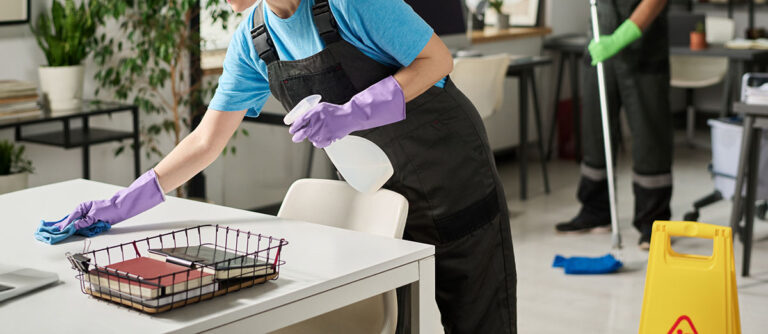
Childcare and educational facilities should prepare for the new term by cleaning high-touch surfaces, classrooms, floors, restrooms, staff areas, entryways, and shared learning spaces. A practical school cleaning plan should include:
• Deep attention to frequently touched surfaces such as handles, rails, switches, desks, and shared equipment.
• Thorough classroom and play-area cleaning, including floors, furniture, shelves, and accessible surfaces.
• Restroom cleaning focused on fixtures, partitions, dispensers, floors, and touchpoints.
• Cleaning of cafeterias, snack areas, staff rooms, and other food-related spaces according to facility procedures.
A recurring cleaning schedule that supports daily upkeep, periodic detail work, and prompt attention to spills or messes.
Coordination between facility managers and cleaning professionals about approved products, access, safety procedures, and building priorities.
Why Back-to-School Cleaning Requires Planning
Educational facilities experience steady foot traffic, frequent room changes, and regular use of shared surfaces. In a daycare or preschool, children may also interact with toys, tables, activity materials, cubbies, nap areas, and low-level surfaces throughout the day. Without a clear plan, cleaning tasks can become inconsistent or fall between responsibilities.
Back-to-school cleaning is an opportunity to establish priorities before the facility becomes busy. Office managers, school administrators, and commercial property owners can review which spaces require daily attention, which areas need periodic detail cleaning, and how staff should report spills or other urgent needs.
The goal is not simply to make a facility look presentable. A well-organized cleaning routine helps keep the building orderly, supports a positive experience for staff and families, and gives employees a reliable process to follow during the school year.
Key Cleaning Priorities for Daycare and Preschool Facilities
Classrooms and Learning Areas
Classrooms should receive detailed attention before students return. Cleaning teams can focus on desks, tables, chairs, shelves, counters, cabinet fronts, door handles, light switches, and other surfaces used throughout the day. Floors should also be addressed based on the material and the level of foot traffic in each room.
In early-learning environments, cleaning plans should account for spaces where children sit, play, or work close to the floor. Low shelves, activity tables, rest mats, and accessible fixtures may require attention in addition to standard classroom surfaces. Facility managers should identify any materials that require special handling and communicate those instructions before service begins.
Toys, Shared Materials, and Activity Equipment
Daycare and preschool rooms often contain shared toys, learning tools, art tables, sensory equipment, and activity materials. These items should be reviewed as part of the facility’s cleaning process rather than overlooked because they are not traditional building surfaces.
Cleaning responsibilities may vary depending on the type of item, the manufacturer’s instructions, and the facility’s own policies. A professional cleaning provider can coordinate with administrators about which items should be included, which should be handled by staff, and which require separate instructions.
It is also helpful to reduce clutter before a scheduled cleaning visit. Clearly labeled storage areas make it easier to reach surfaces and help cleaning teams work efficiently without disturbing classroom organization.
Entryways, Hallways, and High-Touch Surfaces
Entryways and corridors are among the most visible areas in a childcare or educational facility. They also receive frequent traffic from students, teachers, staff, families, and visitors. A back-to-school cleaning checklist should include doors, push plates, handrails, reception counters, sign-in areas, elevator buttons when applicable, and other commonly touched points.
Floors in these areas may need more frequent attention than floors in lower-traffic rooms. Dirt and moisture can collect near exterior doors, while hallways may show wear quickly during arrival, dismissal, and transitions between classes. Regular floor care helps the facility maintain a cleaner, more professional appearance.
Restroom Cleaning for Educational Facilities
Restrooms deserve a consistent and detailed cleaning routine. For daycare centers and schools, this includes toilets, sinks, faucets, partitions, dispensers, mirrors, door handles, floors, and other touchpoints. Supplies should also be checked and replenished according to the facility’s process.
Restroom cleaning should be scheduled at appropriate intervals based on occupancy, building use, and the number of available facilities. Administrators may also want a clear method for reporting spills, supply shortages, or maintenance concerns so issues can be addressed promptly.
For younger children, facility managers should review whether certain fixtures or low-level surfaces need additional attention. Cleaning teams should follow the instructions provided by the facility and use products and procedures appropriate for the building’s surfaces.
Food Areas, Staff Rooms, and Shared Spaces
Snack rooms, cafeterias, break areas, and staff kitchens can collect crumbs, spills, and residue during normal operations. Back-to-school preparation should include counters, tables, chair surfaces, cabinet fronts, appliance exteriors, floors, and waste areas, with responsibilities clearly assigned between facility staff and the cleaning provider.
Shared staff rooms also benefit from a dependable cleaning schedule. These spaces may include tables, counters, sinks, door handles, and frequently used appliances. Keeping them orderly supports employees who rely on the area during short breaks and busy workdays.
Because food-related areas may have specific building policies, cleaning providers should coordinate with administrators regarding product use, storage, access, and any surfaces that require special treatment.
Cleaning Priorities for Learning Spaces and School Offices
Not every educational facility is organized the same way. Some include administrative offices, conference rooms, libraries, computer rooms, multipurpose spaces, and specialized learning areas. Each space should be evaluated based on traffic, furnishings, equipment, and how often it is used.
Offices and Administrative Areas
School offices and reception areas often create the first impression for families, employees, and visitors. Cleaning priorities may include entry doors, reception counters, seating areas, floors, wastebaskets, and commonly touched surfaces. Since offices may contain confidential paperwork or sensitive equipment, cleaning teams should receive clear access instructions.
Libraries, Computer Rooms, and Multipurpose Areas
Libraries and computer rooms require careful coordination because they contain equipment, furniture, and materials that may not respond well to standard cleaning methods. Administrators should identify technology, books, displays, and other items that need special handling.
Multipurpose rooms may be used for assemblies, activities, meetings, or meals. Their cleaning needs can change from day to day, so a flexible schedule may be useful. Floors, tables, chairs, storage areas, and frequently touched surfaces should be reviewed after high-use events.
How to Build a Practical School Cleaning Schedule
A cleaning schedule should reflect the way the facility is actually used. Instead of treating every room identically, divide tasks into daily, periodic, and as-needed categories.
- Daily priorities: Restrooms, entryways, high-touch surfaces, classrooms, food areas, visible spills, and high-traffic floors.
- Periodic priorities: Detail work on baseboards, corners, furniture legs, cabinet fronts, less accessible surfaces, and areas that need additional attention over time.
- As-needed priorities: Spills, tracked-in moisture, unexpected messes, special events, room changes, or areas affected by maintenance work.
Facility managers should also consider the timing of service. Cleaning after students and staff leave may allow better access to classrooms and shared spaces, while certain daytime tasks may be appropriate for restrooms, entryways, or administrative areas. The best schedule is one that supports building operations without disrupting instruction or childcare activities.
What to Discuss With a Daycare Cleaning Service
When evaluating daycare cleaning services near me, facility managers should look beyond a general list of tasks. The right questions help clarify whether the provider understands the operational needs of commercial childcare and educational environments.
- Which rooms and surfaces are included in the cleaning plan?
- How will classrooms, play areas, restrooms, and shared spaces be prioritized?
- What access instructions, building policies, or product requirements should be provided?
- How will spills, urgent requests, or changes to the facility schedule be communicated?
- Can the cleaning routine be adjusted for seasonal activity, enrollment changes, or special events?
- Which tasks remain the responsibility of facility staff?
Clear communication at the beginning of service helps prevent misunderstandings and makes it easier to maintain consistent expectations. It also gives administrators an opportunity to identify areas that may need more frequent attention during the school year.
Preschool Cleaning Services for a More Consistent Routine
Preschool cleaning services should be organized around the daily rhythm of the facility. Arrival areas, classrooms, restrooms, activity spaces, and staff areas may all require different levels of attention. A recurring commercial cleaning routine can help the facility stay prepared between larger detail-cleaning visits.
It is also useful to review the cleaning plan after the first few weeks of the school year. Staff may notice that some areas become busy earlier than expected, certain rooms need additional floor care, or shared spaces require a different service frequency. Adjusting the plan based on actual use can make the routine more efficient.
Prepare Your Santa Rosa Facility for the New School Year
A thorough back-to-school cleaning plan helps daycare centers, preschools, and educational facilities begin the year with organized spaces and clear expectations. From classrooms and activity areas to restrooms, offices, hallways, and food spaces, each area should be considered as part of the facility’s overall cleaning routine.
Kings Janitorial Cleaning Service works with businesses in Santa Rosa that need dependable commercial cleaning support. If your daycare, preschool, school, or learning facility is preparing for students to return, contact us to discuss your cleaning needs and develop a service plan for your building.